



Story of the Manor
How it all began…
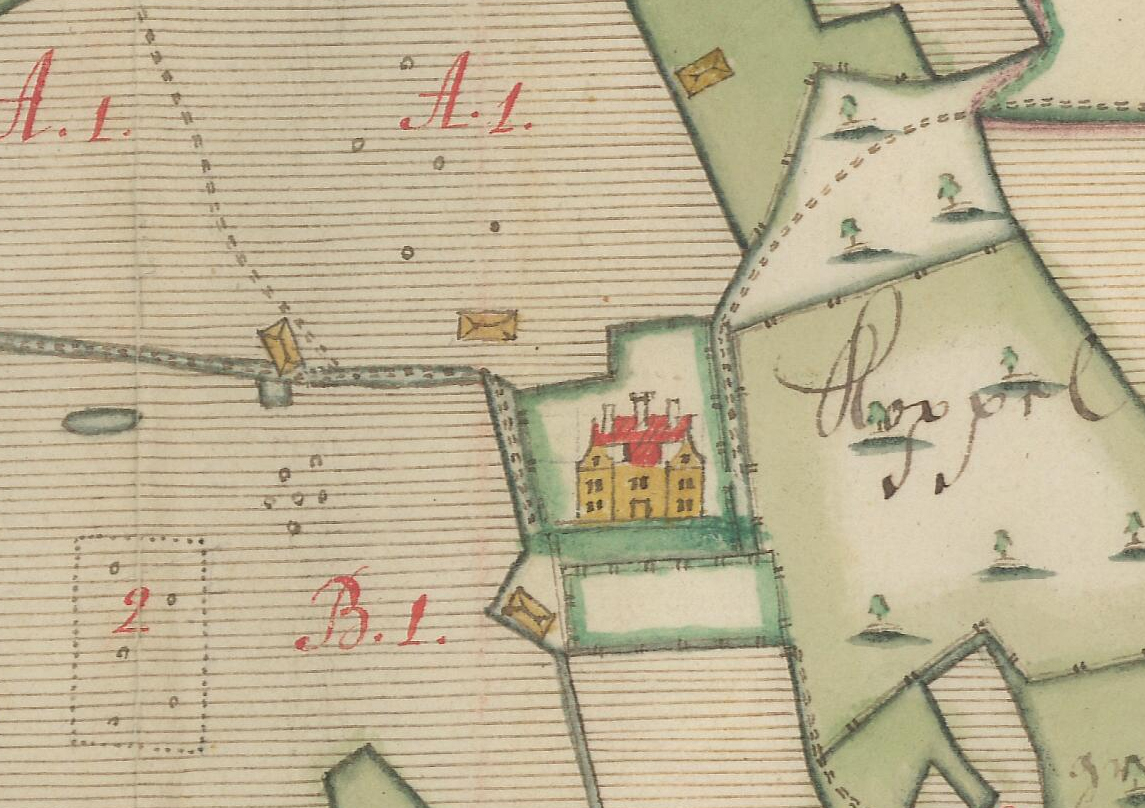
The earliest records of Anija Manor in its present location date from 1482, when it belonged to Herman Soye. The Soye family built up their estate centre as a stone fortified dwelling — a vassal castle. Some of its walls still remain today in the cellar of the current manor house, and parts of them (together with the remains of a rare hypocaust stove) came to light in the autumn of 2012.
Anija Manor takes its name from the small Hani River (Hanijõgi), which flowed from a small bog lake southwest of the manor into the Jägala River. Geese (hani in Estonian) are still featured on the coat of arms of Anija Parish today.
At the end of the 17th century, the manor was held in pawn by various families (Holstein, Fresen, Knorring, Lantinghausen, and others). The main building was a two-storey representative stone structure, most likely an articulated building rebuilt from the medieval fortified dwelling.
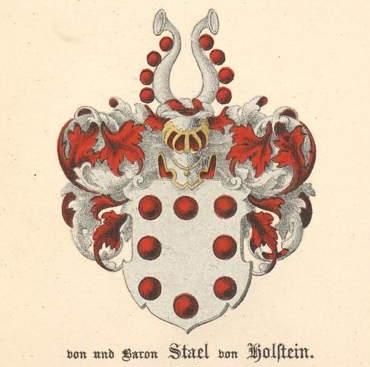
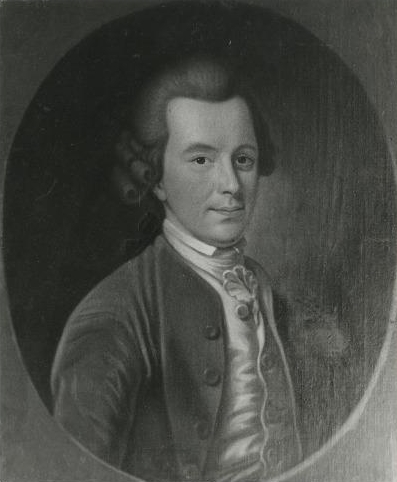
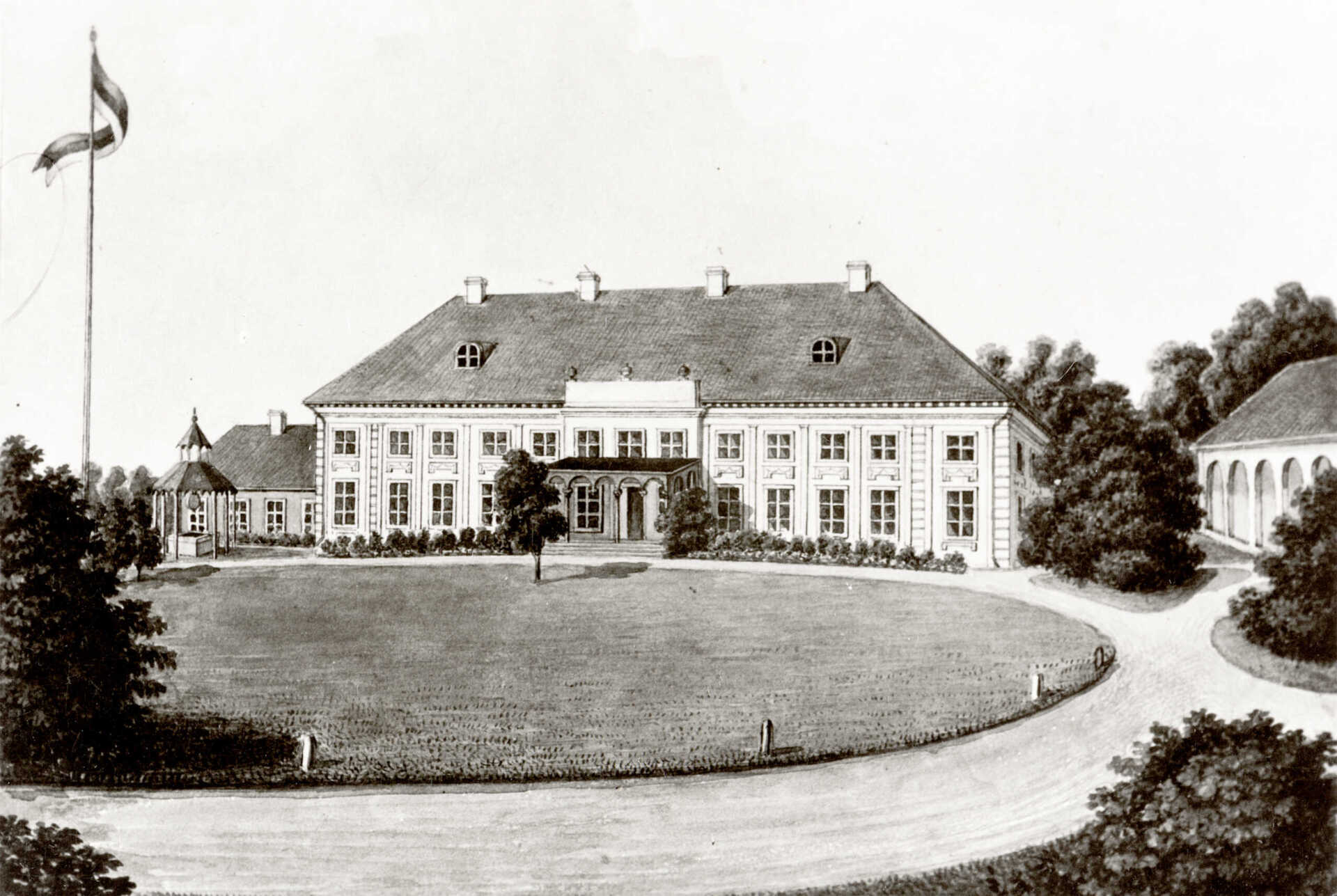
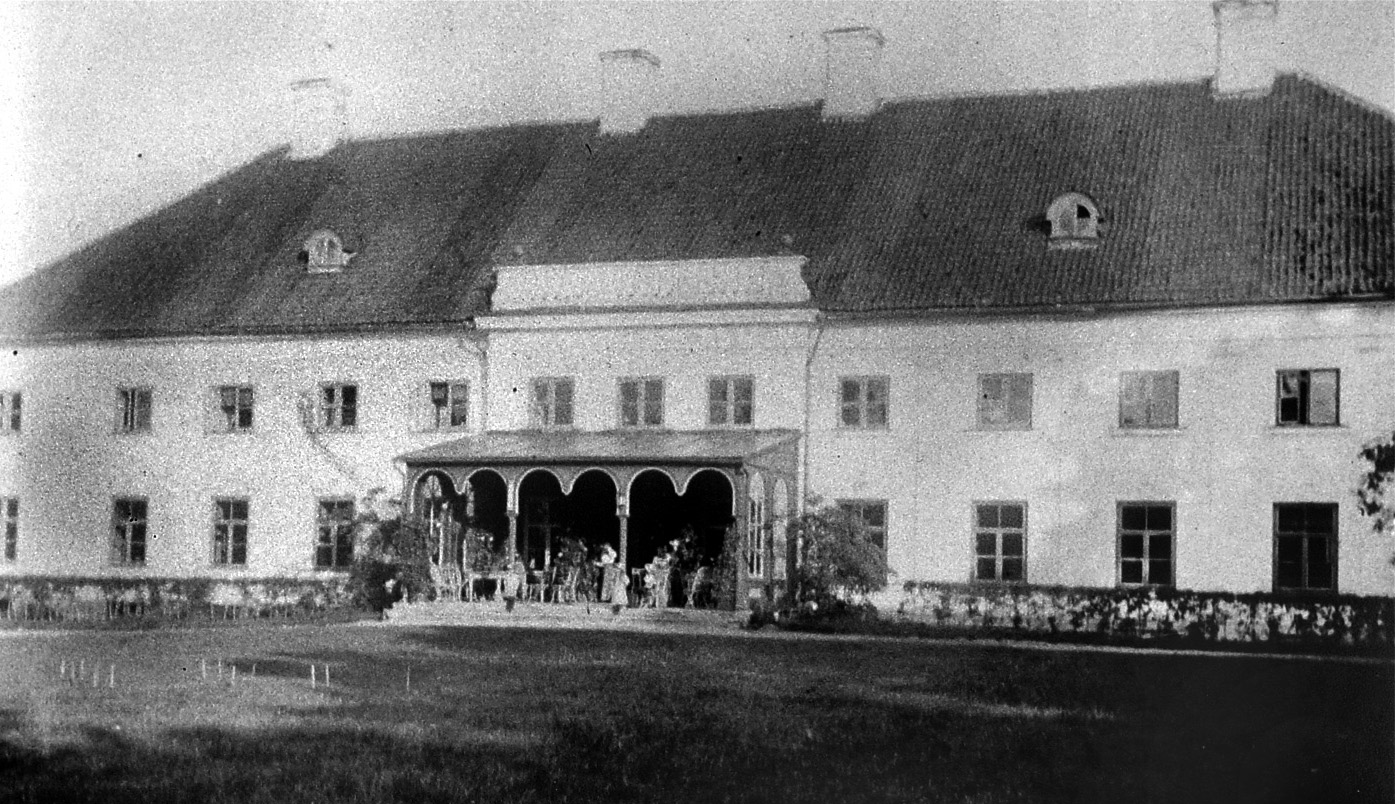
After the Great Northern War, the manor was returned to the Staël von Holstein family. The two-storey Late Baroque manor house that stands today was built during the ownership of Matthias Georg Staël von Holstein in 1796–1801. The main (piano nobile) floor is the first floor, crowned by a tall hipped roof. The façade is articulated by pilasters. The ornate stucco panels decorating both the façade and the three-window-wide central risalto on the rear side are particularly rich. The building also had a detailed Early Classical exterior door.
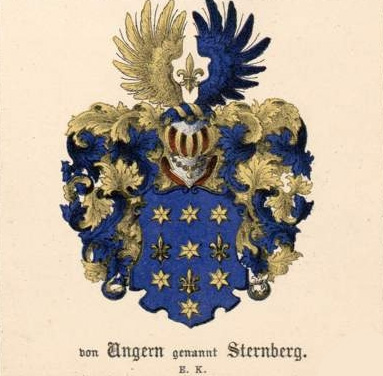
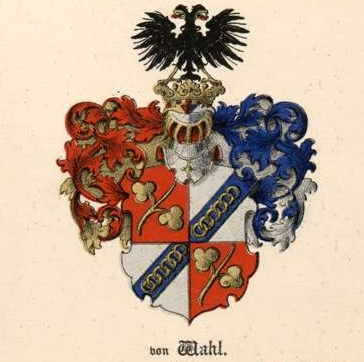
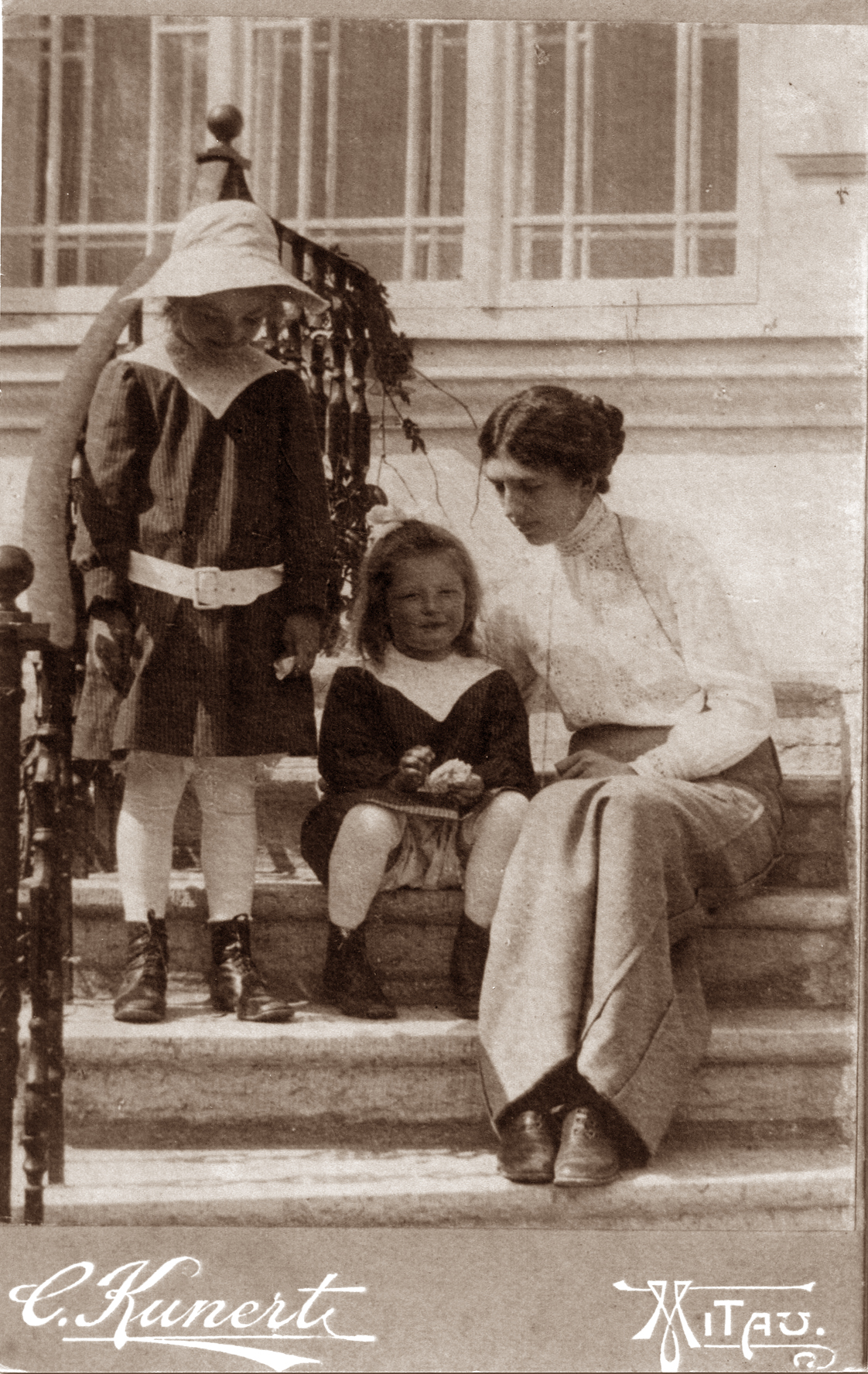
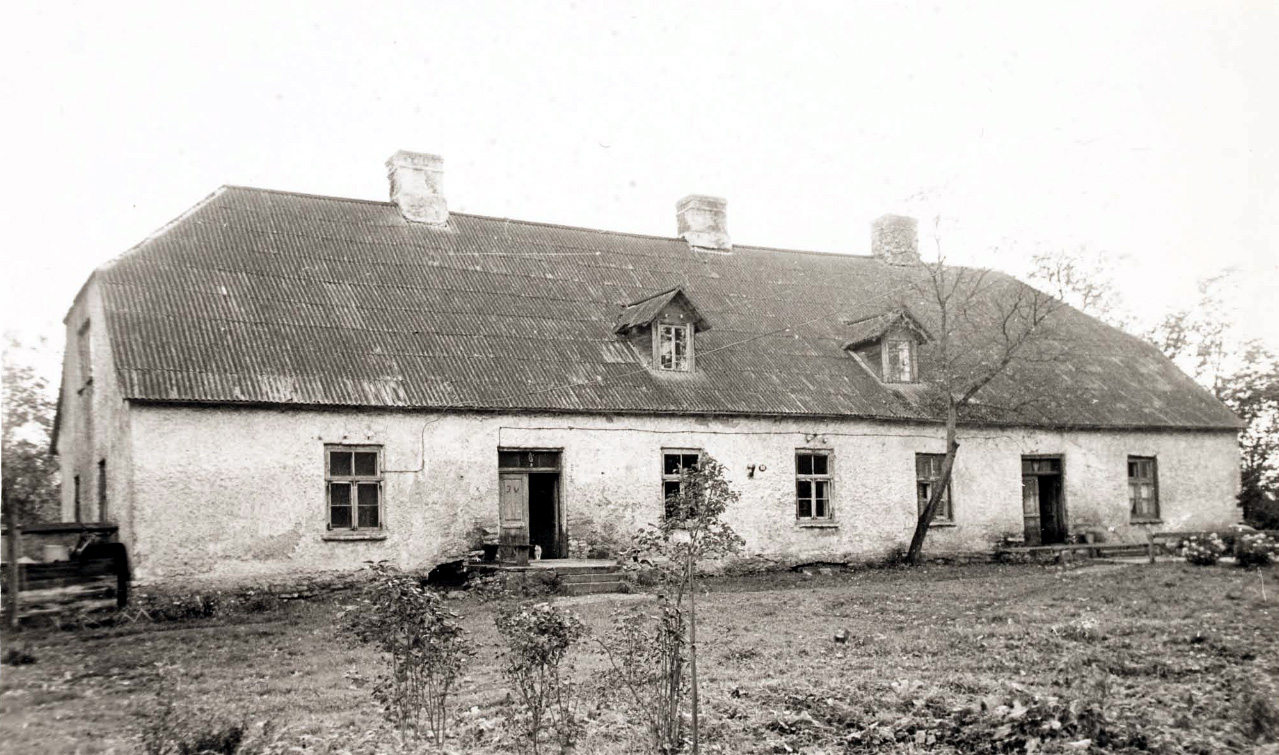
In 1840, the manor was purchased by the von Ungern-Sternberg family. After the unrest of 1905, the von Ungern-Sternbergs sold the manor to Marie von Wahl (née von Lieven), from whom it was nationalised in 1919. The main house was slightly remodelled in the second half of the 19th century and the early 20th century — the shape of the capitals on the façade was changed, and a Historicist veranda was added to the rear.
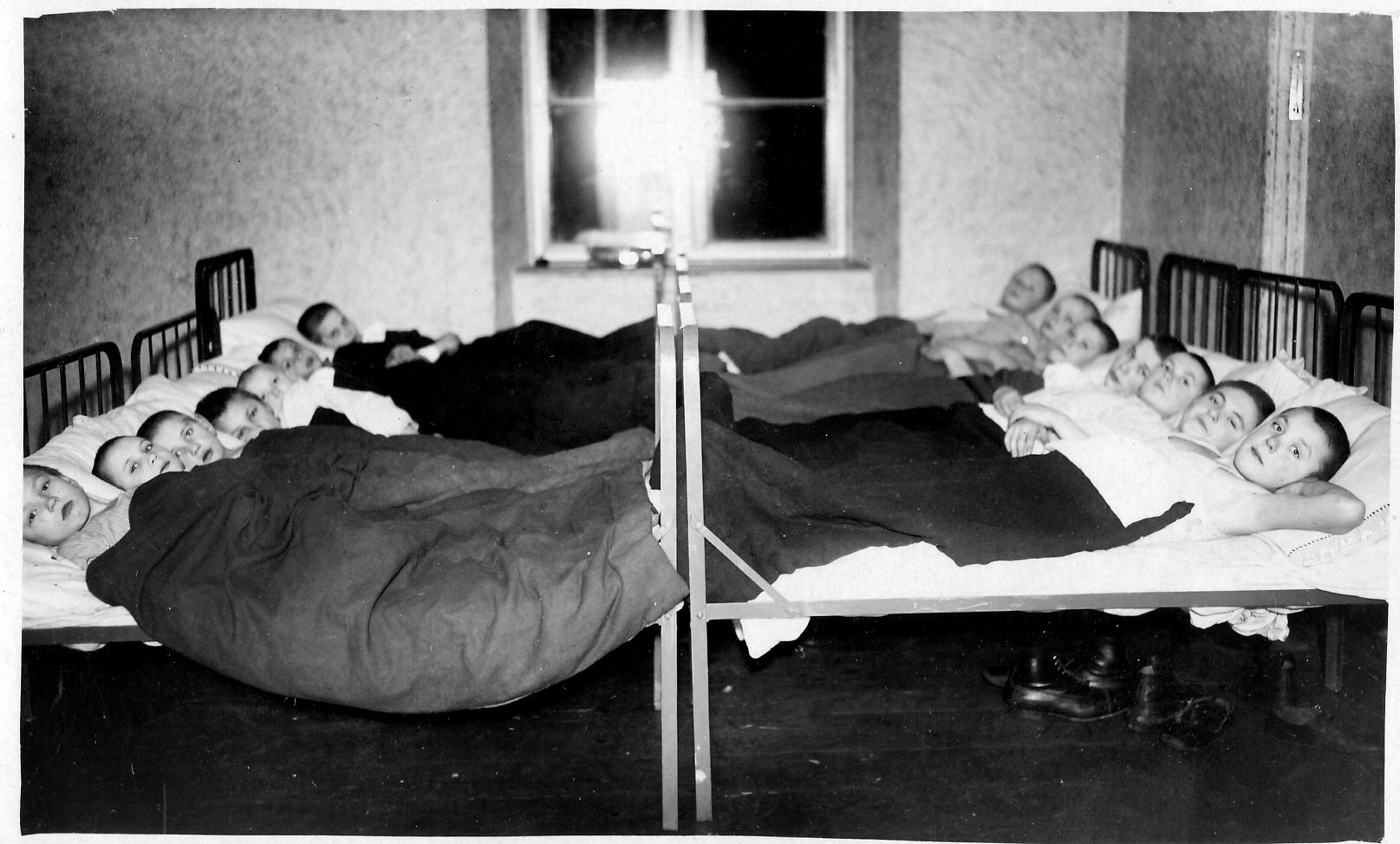
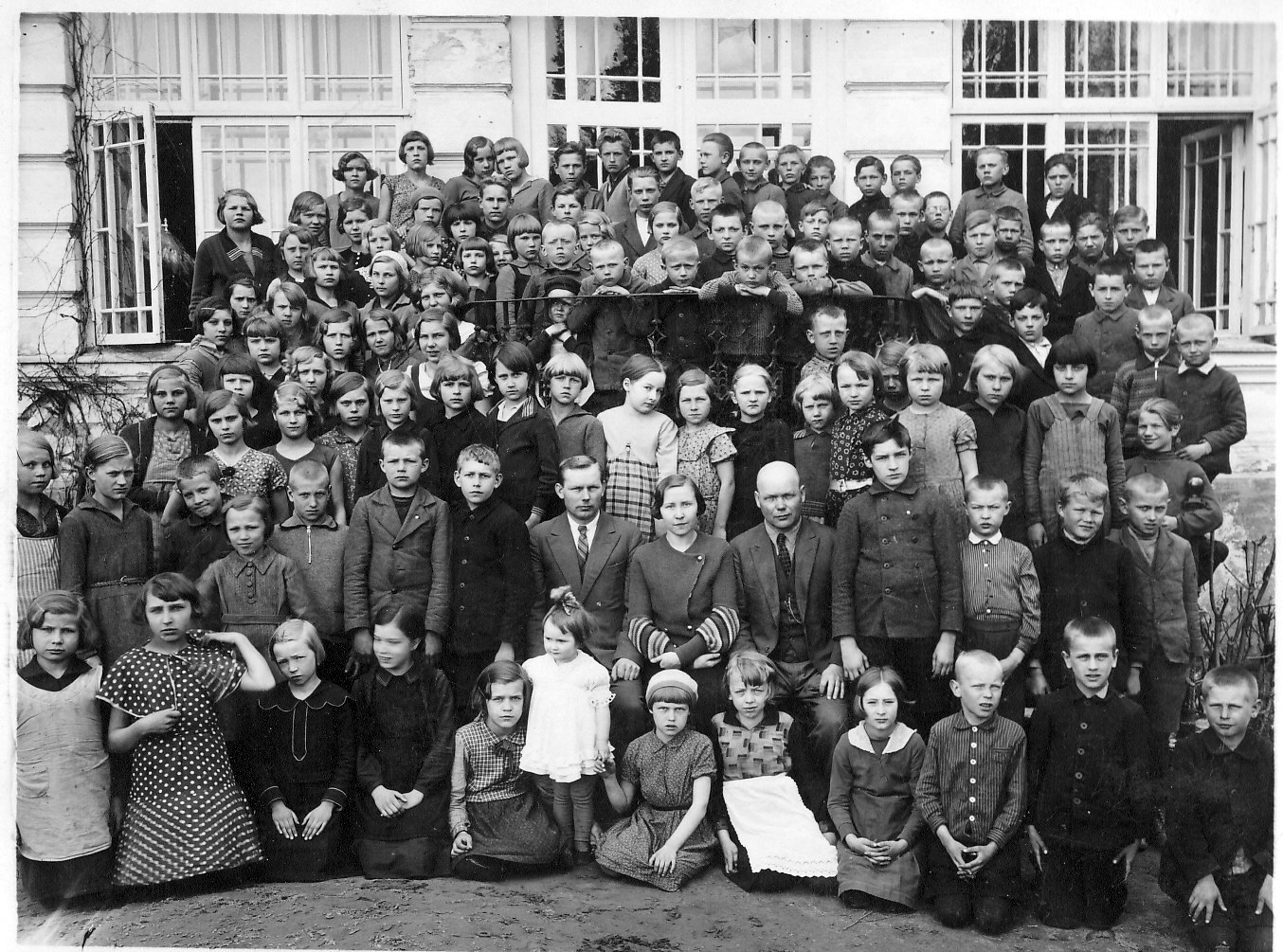
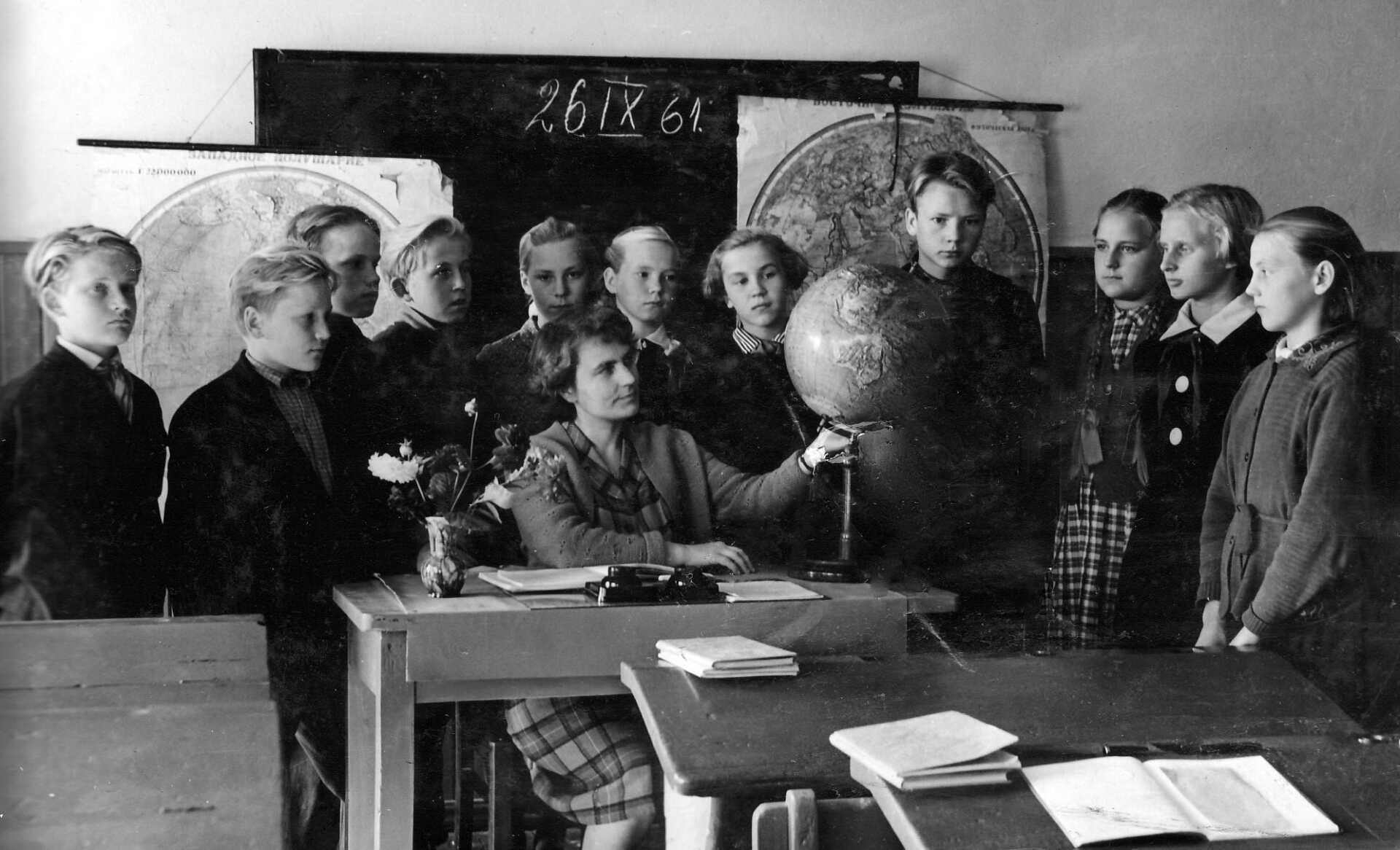
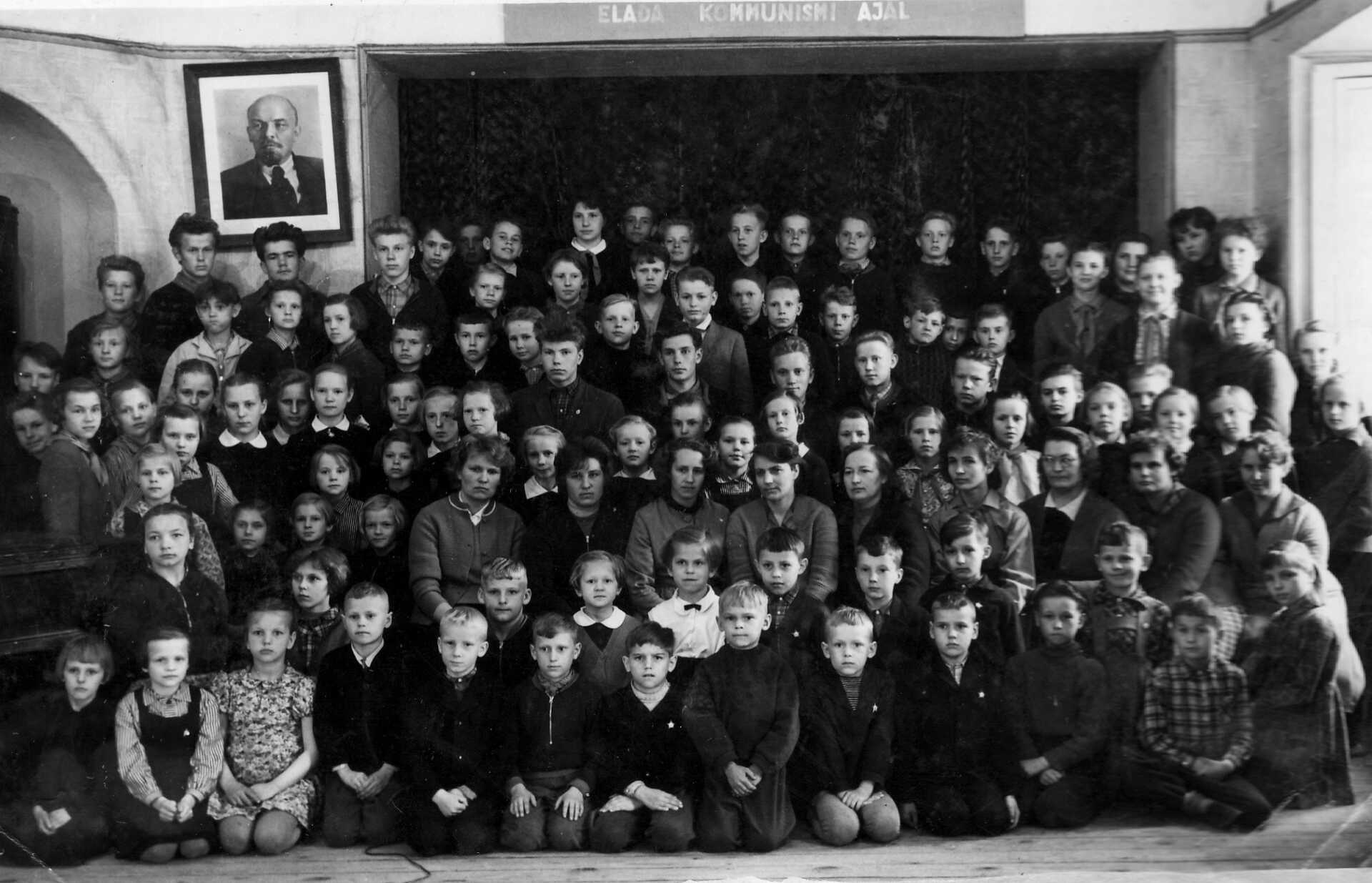
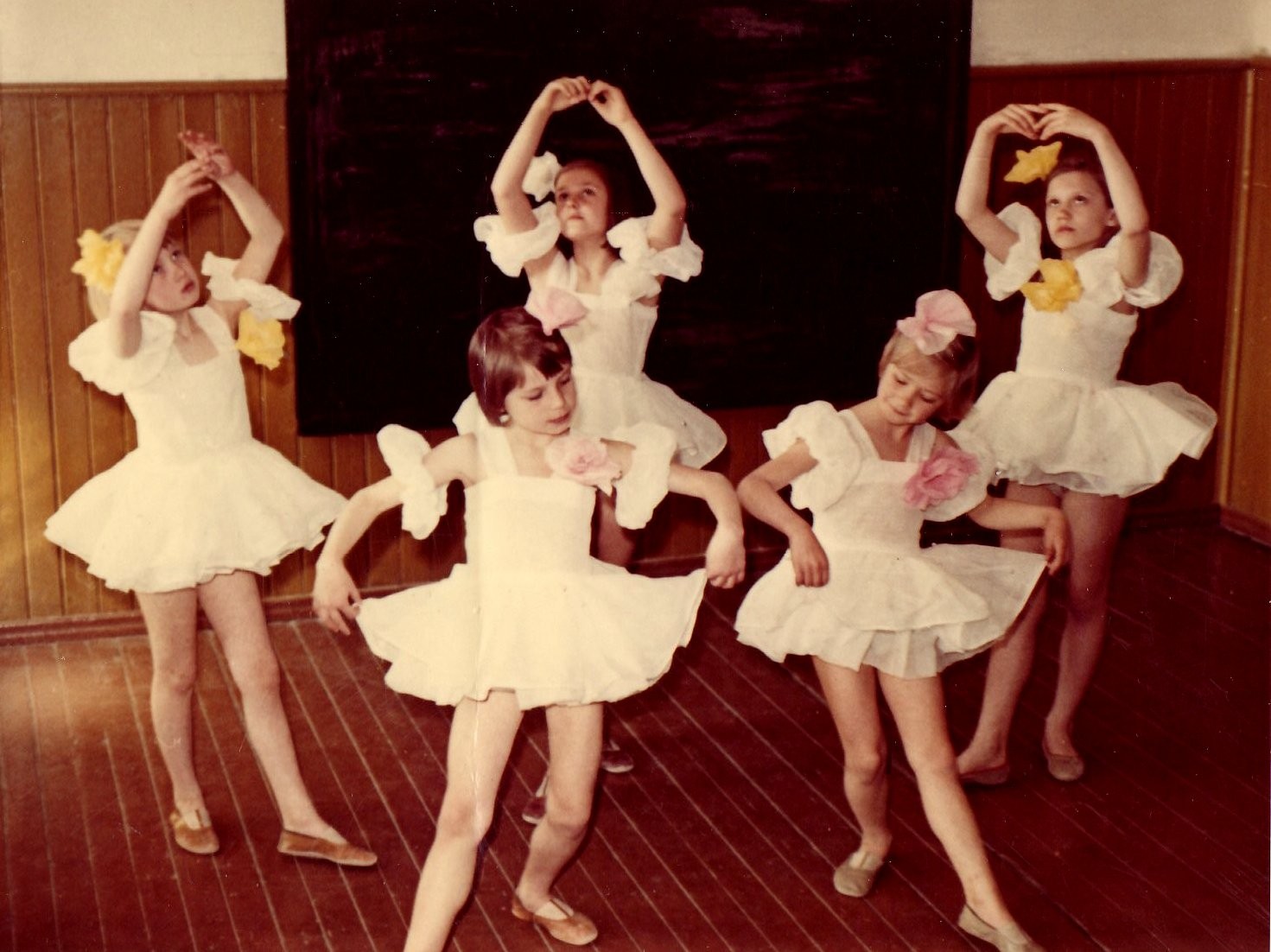
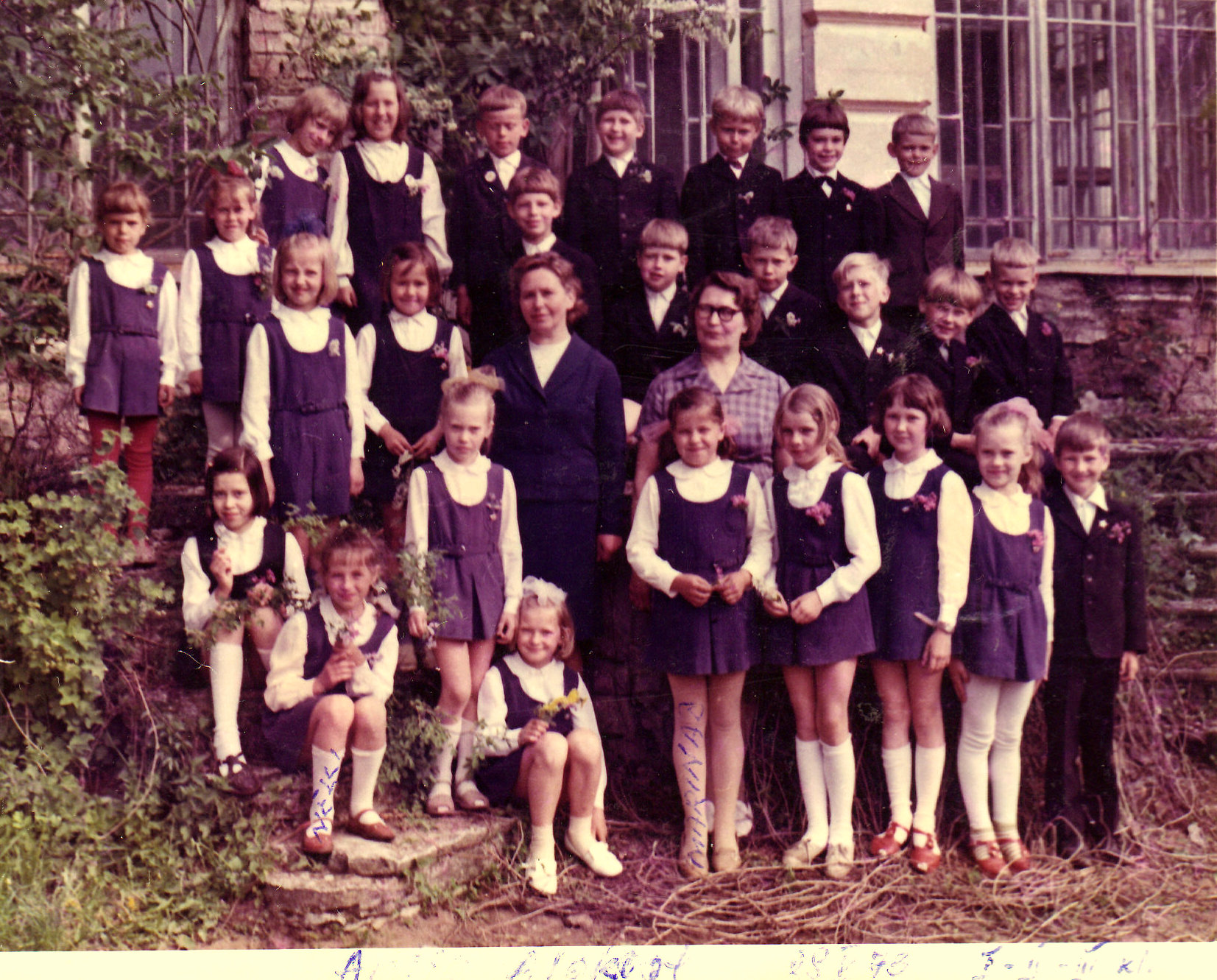
From 1924 to 1975 and from 1990 to 2002, the main building housed a primary school. In 1943/1944 the house was shared with the military, and in 1949 the school also had to make room for the collective farm office that moved into the building.
An interesting overview of the history of Anija Manor is given by Juhan Maiste in his book published in 2020, “The History of Anija Manor. Nobility and Peasants”.
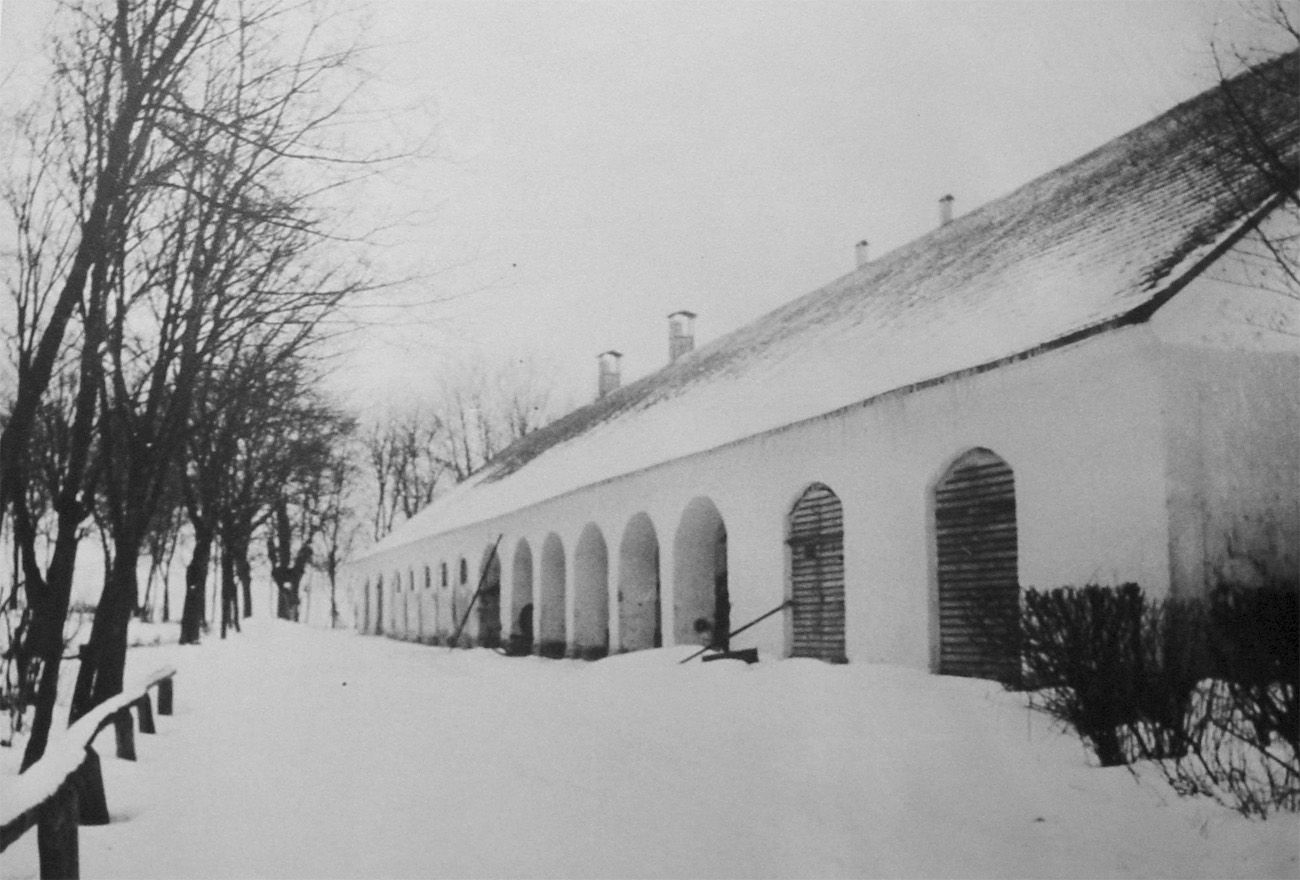
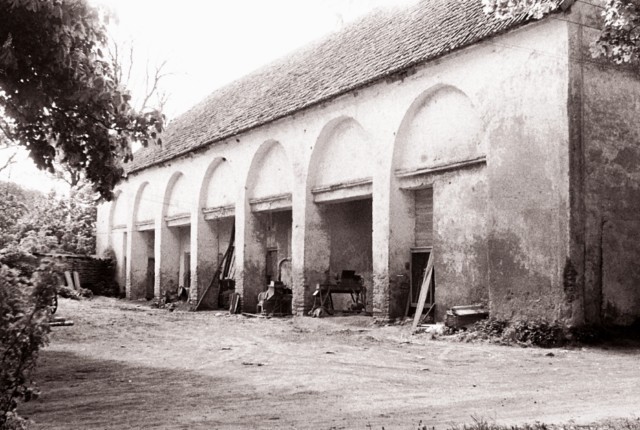
In 2019–2020 the manor complex underwent extensive restoration: the manor house was renovated and the granary became the bright and spacious Granary Event Centre. The manor park had already been restored a few years earlier, when the 2 km educational trail “Trail of Senses and Experiences” was also created.





Only half an hour’s drive from Tallinn, the dignified Anija Manor welcomes you beneath the ancient trees of its park. Here, the simplicity of country life meets the elegance of manor atmosphere. There is joy of discovery and activity for the whole family — from the very youngest to grandparents.