


The book “The History of Anija Manor. Nobility and Peasants”
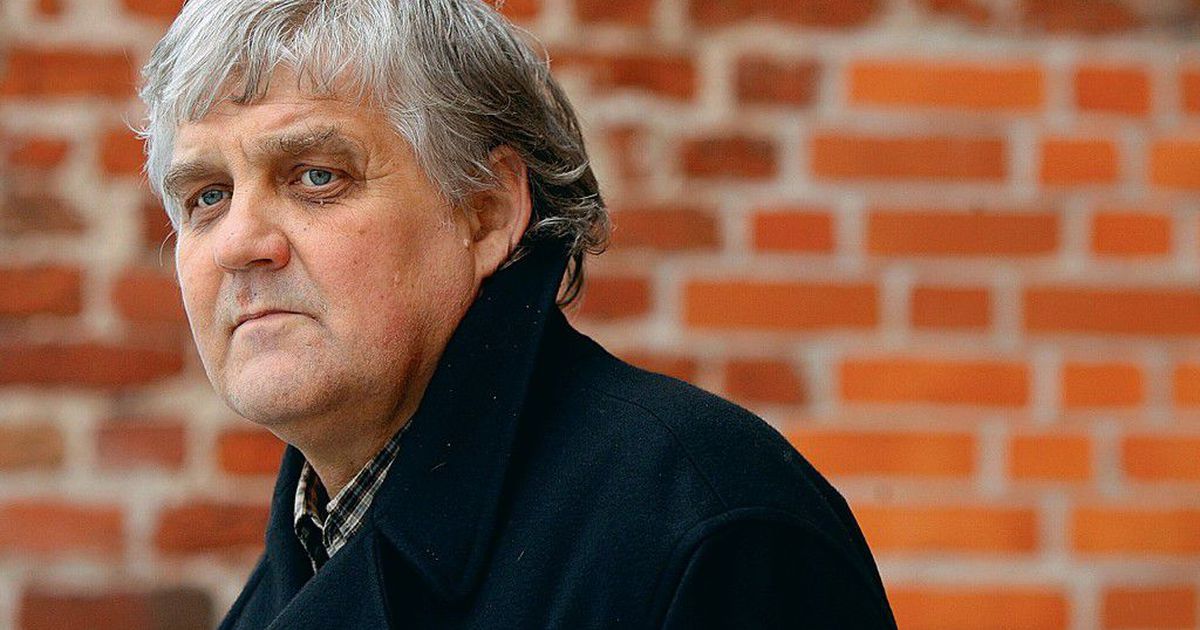
Juhan Maiste,
author of “The History of Anija Manor. Nobility and Peasants”
Published in 2020. Available in Apollo and Rahva Raamat bookshops and on site at Anija Manor. To order by post, please write to info@anijamois.ee.
“History cannot be remade, but it can be written in many ways – just as many different stories live in people’s memory, which we mostly perceive differently according to our background and life experience. In Estonian historical literature, two fairly independent narratives live side by side: one brings us the perspective of the lord, the other that of his servant, dependant and serf. /…/
These two concepts – the historical consciousness of the nobility and of the native peasantry – form the central axis of the Estonian worldview.”
Juhan Maiste was born on 10 August 1952 in Kehra. He is a historian who has devoted his life to researching art history and landscape architecture and to passing on his knowledge to students. Juhan’s writings have brought new knowledge to light, reflected in his many studies of Estonian cultural heritage. For decades Juhan has been an advocate of heritage protection and has dedicated his research to manor architecture and manor landscapes. His admiration belongs to antiquity and the Renaissance and Classicist periods. Since 2007 Maiste has been Professor of Art History and Head of the Department of Art History at the University of Tartu. From 1993 to 2007 Maiste was a professor at the Estonian Academy of Arts and from 2002 to 2007 Dean of its Faculty of Cultural Heritage and Conservation. From 2000 to 2009 Maiste was also a visiting professor at the Estonian University of Life Sciences and in 2002 a visiting professor at La Sapienza University of Rome. Longer scholarships have also taken Juhan to Stockholm, Kiel, Greifswald, Helsinki, Oxford and London, and he has given lectures in Finnish on Estonian art history and the philosophy of restoration at Finnish universities.
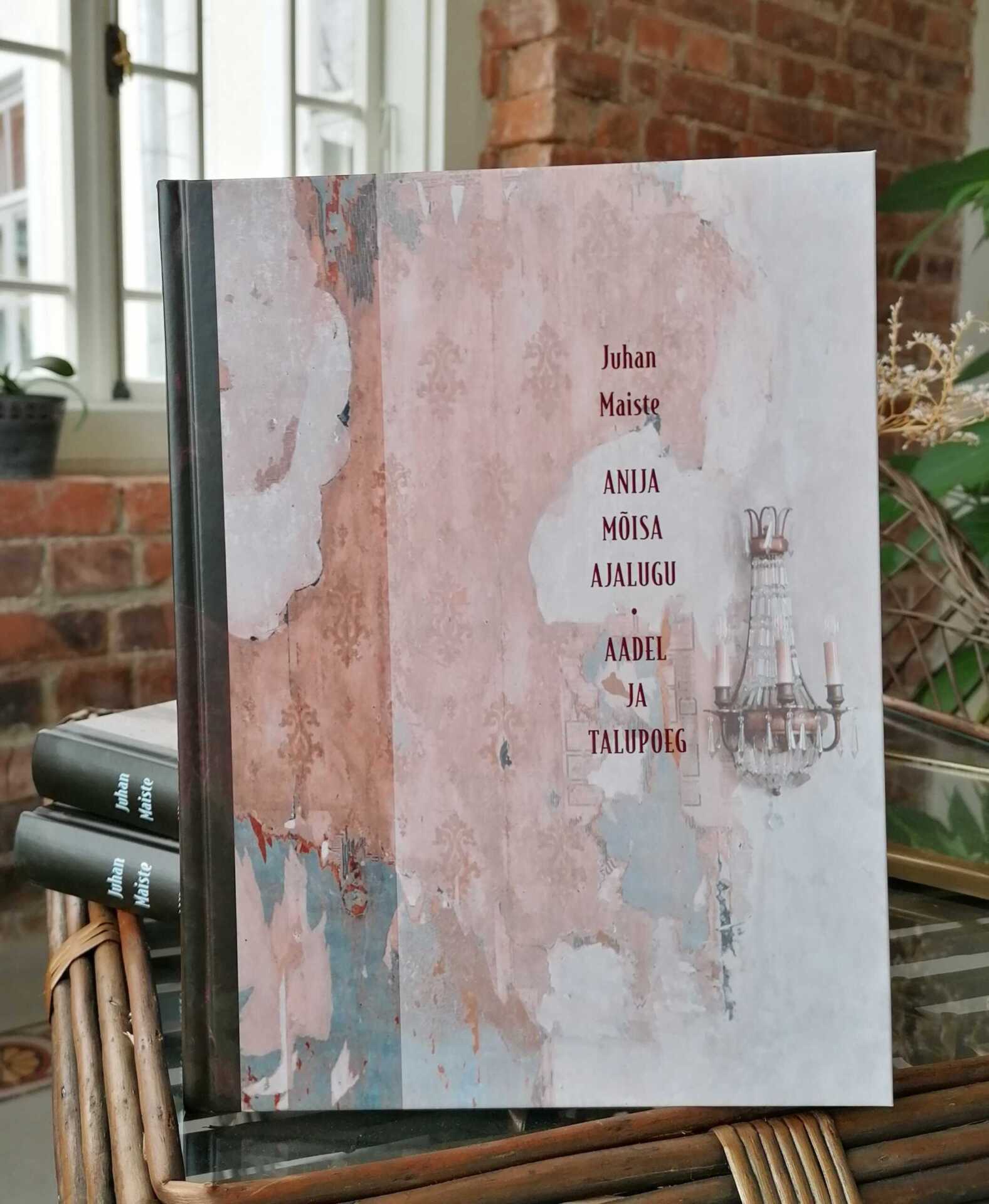
Juhan received the invitation to write the Anija book from the then lady of Anija Manor, Janne Kallakmaa. Together with Anne Oruaas, the mother-tongue teacher and museum head of Kehra School, they set out to explore Anija and, more broadly, the former parish of Harju-Jaani. Juhan has noted that the journeys to local cultural sources broadened his worldview and that writing the Anija book became an adventure through which he came to know both the history of a place close to him and himself.
Juhan’s wish was to offer the reader a book in which, unlike what has become customary in Estonian historiography, one story is told from two different perspectives: from the point of view of both the manor lord and the peasant, both as a bird’s-eye view from the edge of the sky and as an earthworm’s view from the soil.